On this page
The current Speedmaster Professional Moonwatch with hesalite crystal generally retails around $6,600 to $7,300, with the sapphire crystal version running roughly $1,000 more. The all-ceramic Dark Side of the Moon starts considerably higher, generally around $15,000 to $16,000. Unlike Rolex sports watches, the Speedmaster typically trades below retail on the pre-owned market rather than above it, making pre-owned a genuine value option rather than a scarcity premium. Limited pieces like the Speedmaster Silver Snoopy Award are the clear exception, commanding well above retail due to genuine collector demand.
Speedmaster pricing is worth approaching a little differently than most watch price guides suggest, and it's worth being upfront about why: quoted retail figures for the same reference vary more across sources, retailers, and regions than almost any other Omega watch, sometimes by over $1,000 for what's ostensibly the identical configuration. Rather than presenting one falsely precise number, this guide gives honest ranges grounded in where multiple sources actually agree, and flags clearly where they don't.
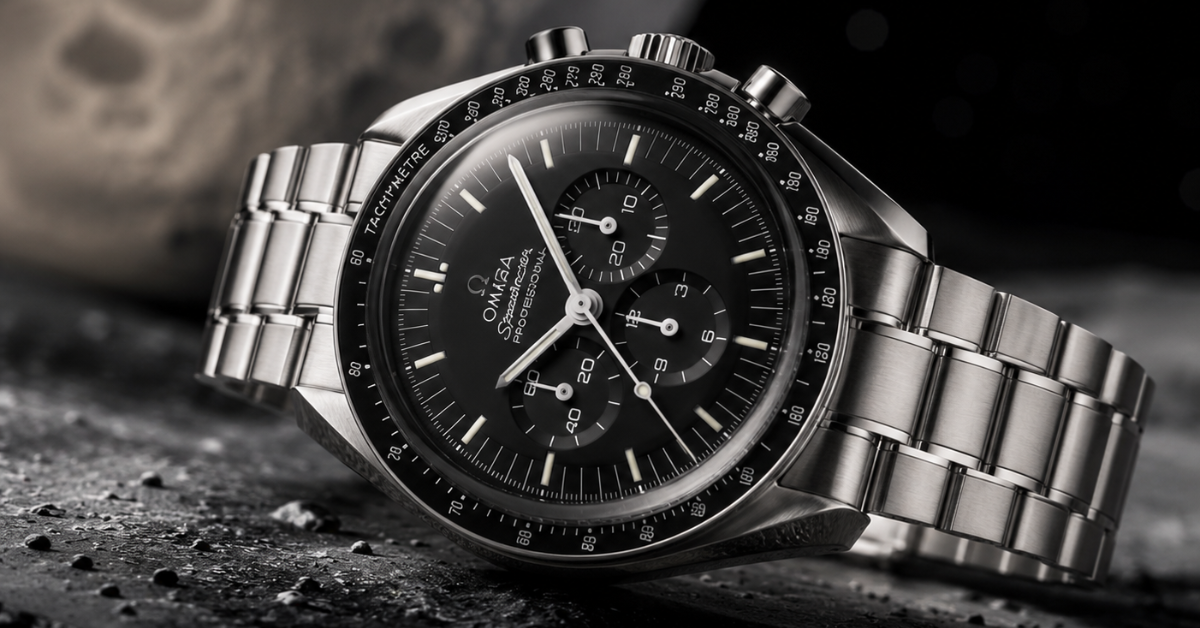
The Core Moonwatch: Hesalite vs. Sapphire
The standard Speedmaster Professional Moonwatch, currently built around the Calibre 3861 Co-Axial Master Chronometer movement, comes in two crystal options that account for most of the price spread within the core lineup.
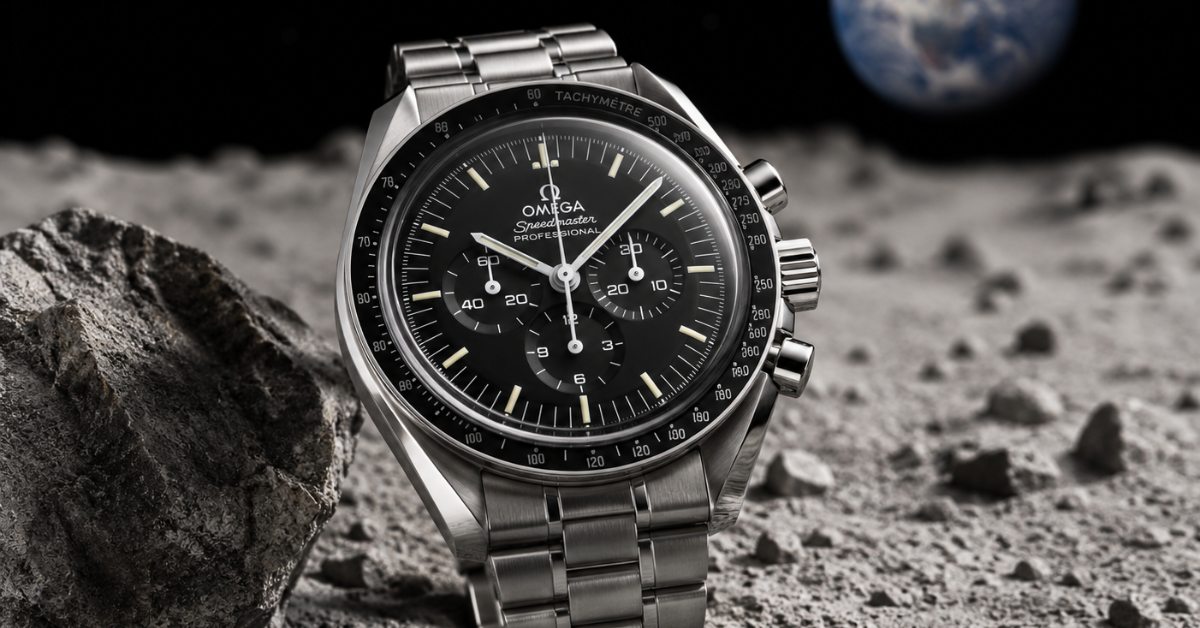
The hesalite crystal version — the historically accurate choice, matching what actually flew to the Moon in 1969 — generally retails in the $6,600 to $7,300 range, varying by retailer and region. Hesalite scratches more easily than sapphire but resists shattering entirely, which is exactly why NASA specified it in the first place rather than a more scratch-resistant but more brittle alternative.
The sapphire crystal version runs consistently around $1,000 more than the hesalite equivalent, generally landing in the $7,600 to $9,100 range depending on source and retailer. That premium buys genuine scratch resistance and a display caseback showing off the Calibre 3861's finishing — a meaningful trade-off for daily wear, at the cost of the crystal material NASA actually tested and approved. Both versions run the identical movement, so the choice here comes down to crystal preference and case-back visibility, not mechanical performance. For the full case on how this movement compares across Omega's current lineup, our Omega Speedmaster Models guide breaks down the complete current reference lineup in more depth than pricing alone can capture.
Dark Side of the Moon: The Ceramic Tier
The all-ceramic Dark Side of the Moon occupies a genuinely different price tier from the standard Moonwatch — starting around $15,000 to $16,000 at retail for the core black or grey ceramic models, considerably above the steel Moonwatch's roughly $6,600 to $9,000 range. Limited editions within the DSOTM line, like the Apollo 8 with its skeletonized dial and Grade 5 titanium seconds hand, climb higher still. This isn't a "premium version of the same watch" the way hesalite-versus-sapphire is — it's a different case material, a different movement generation in some references, and a genuinely different buyer, closer to a statement piece than a daily-wear alternative to the standard steel Moonwatch.
Why Speedmaster Pre-Owned Actually Undercuts Retail
Here's the detail that surprises buyers coming from Rolex's sports watch market specifically: the Speedmaster Professional typically trades below retail on the secondary market, not above it. Pre-owned examples with box and papers generally run 10% to 35% under current retail across most sources, depending on condition and specific reference. That's a genuinely different dynamic than the steel sports Rolex references we've covered elsewhere, where scarcity keeps secondary prices elevated. Our Omega vs Rolex value comparison covers exactly why that gap exists — Omega generally sells closer to available demand, without the allocation scarcity that sustains Rolex's above-retail secondary premiums.
Practically, that means pre-owned Speedmaster shopping is a genuine value play rather than a way to skip a waitlist at a premium. A hesalite Moonwatch trading $4,400 to $5,200 pre-owned against a $6,600-plus retail price is a real discount for buying essentially the same watch a first owner paid full price for.
The Exception: Limited and Special Editions
Not every Speedmaster follows that pre-owned-discount pattern, and it's worth being specific about which ones don't. The Speedmaster Silver Snoopy Award and similar limited, story-driven releases are the clear exception — genuine collector demand has pushed these well above their original retail price on the secondary market, with some limited references reported trading at multiples of retail rather than a discount. Our coverage of Omega Price Trends 2026 and Omega Waitlists 2026 both cover this specific reference in more depth — it's genuinely one of the few current Omega watches where secondary-market behavior looks more like a hyped Rolex sports reference than typical Speedmaster pricing.
What Adds to the Price Beyond the Base Reference
A handful of factors move the price on top of the base hesalite-versus-sapphire decision, worth budgeting for before you buy:
Box and papers. A complete documented set typically adds $500 to $1,500 to a Speedmaster's resale value compared to the same watch sold without its original packaging and paperwork — a smaller absolute premium than on a Rolex sports watch, but still a real one worth factoring in if you're buying or selling pre-owned.
Bracelet versus strap. Steel bracelet configurations generally command a premium over leather-strap versions of the same reference, both at retail and on resale.
Caliber 321 and precious metal references. Reissues of the original 1969 movement, along with gold and platinum-cased Speedmasters, occupy a considerably higher tier than anything discussed above — a different conversation from the standard steel Moonwatch entirely, and not one where broad pricing ranges are especially useful given how much individual configuration matters at that level.
Why Prices Vary So Much by Source
Worth addressing directly rather than glossing over: if you cross-reference Speedmaster pricing across multiple watch publications, you'll find real disagreement — sometimes over $1,000 apart for what's described as the same reference. Some of that reflects genuine regional pricing differences and Omega's own periodic retail adjustments through the year; some reflects publication dates spread across 2026, during which Omega pricing moved more than once. The practical takeaway: treat any single quoted figure, including the ranges here, as a reasonable starting point rather than gospel, and verify current pricing directly with an authorized Omega boutique before finalizing a purchase decision. If you want the fuller history behind why this specific watch commands the attention it does, our piece on why the Moonwatch actually went to the Moon covers the NASA testing and Apollo missions that built its reputation in the first place.
Buying With Confidence
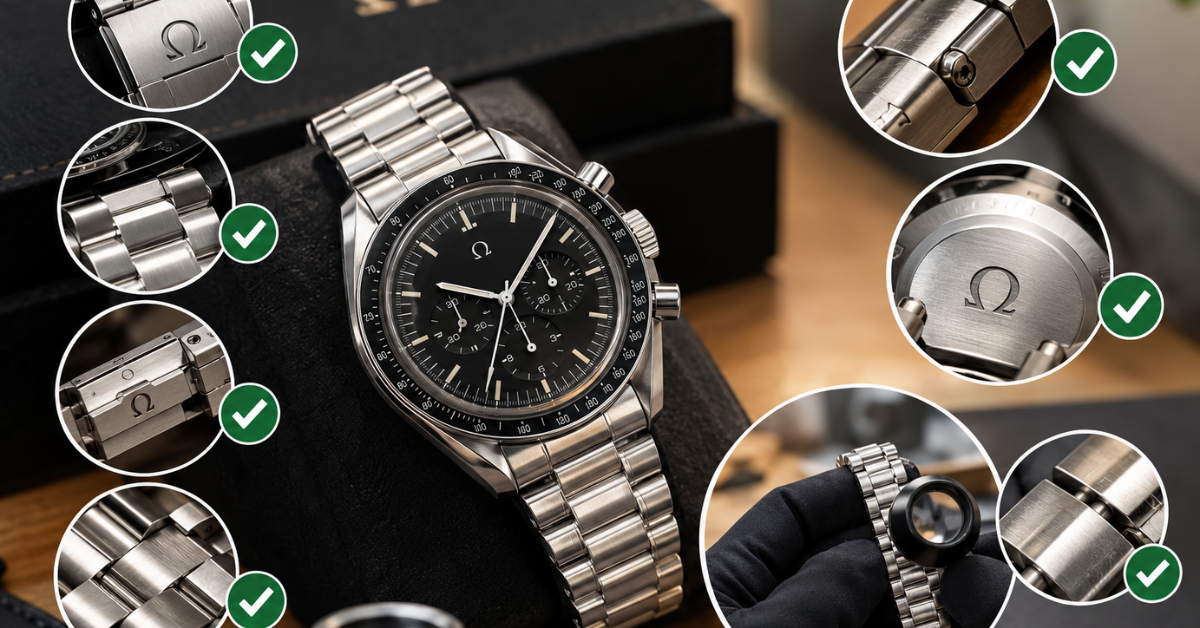
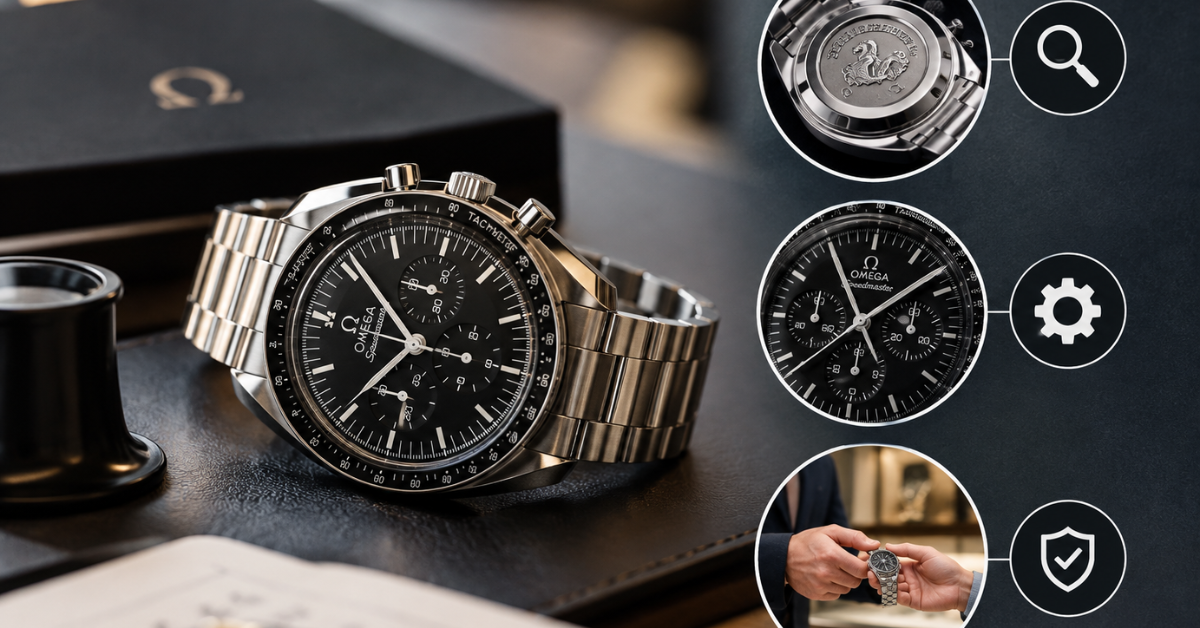
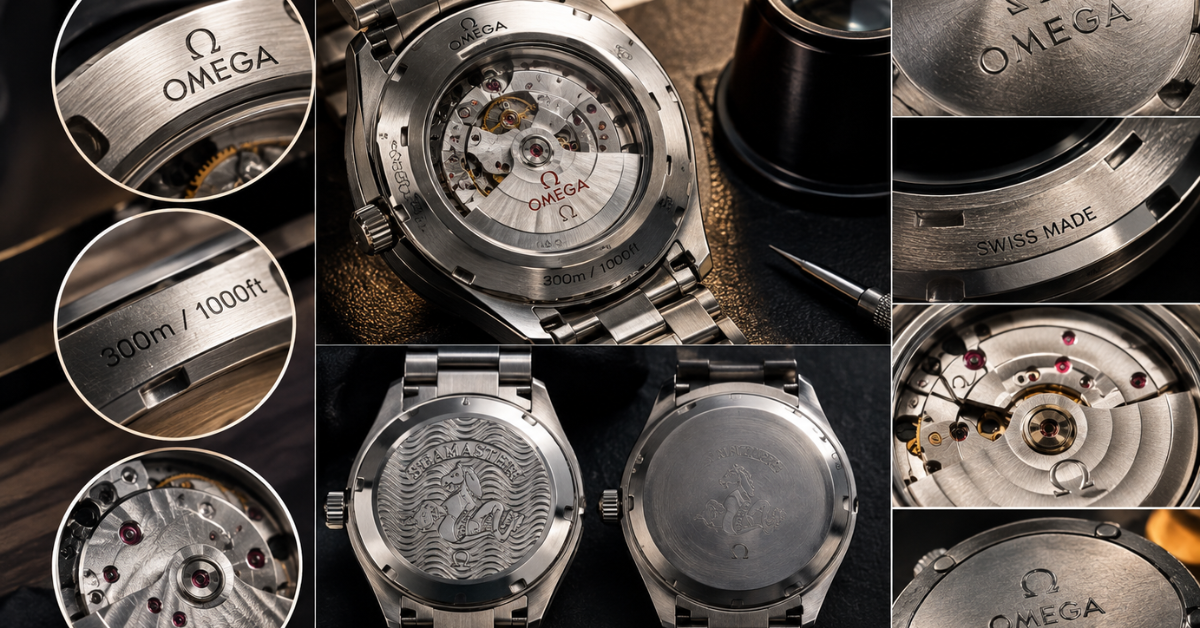
Given how much money and heritage are wrapped up in this specific watch, buying from an authorized source removes any authentication risk entirely. If you're considering the pre-owned route to take advantage of the below-retail pricing discussed above, our guide on how to spot a fake Omega watch covers the checks worth running before you commit.
FAQ
How much does the Omega Speedmaster Moonwatch cost in 2026? The current hesalite version generally retails around $6,600 to $7,300, with the sapphire version running roughly $1,000 more, though exact pricing varies meaningfully by retailer and region.
Is the Speedmaster Dark Side of the Moon worth the price jump over the standard Moonwatch? It depends on priorities — the DSOTM offers a genuinely different all-ceramic case and starts around $15,000 to $16,000, more than double the standard steel Moonwatch, making it a different kind of purchase rather than a simple upgrade.
Does the Speedmaster hold its value like a Rolex Submariner? No, and that's actually good news for buyers — the Speedmaster typically trades below retail on the pre-owned market, unlike Rolex's steel sports watches, which commonly trade at or above retail due to allocation scarcity.
Why do Speedmaster prices vary so much between different websites? Regional pricing differences and Omega's periodic retail adjustments throughout the year both contribute, along with publication dates spread across different points in 2026 — always verify current pricing directly with an authorized dealer.
Which Speedmaster references actually appreciate in value? Limited, story-driven releases like the Speedmaster Silver Snoopy Award are the clear exception to the Speedmaster's typical below-retail pre-owned pricing, commanding genuine premiums on the secondary market.
Conclusion
Speedmaster pricing rewards a buyer who checks multiple sources rather than trusting a single number — the spread between quoted retail figures across different publications is real and worth knowing about upfront. What's consistent across sources is the underlying pattern: hesalite is the historically accurate, more affordable entry point; sapphire adds roughly $1,000 for scratch resistance and a display caseback; and unlike Rolex's sports watches, most Speedmaster references reward patience on the pre-owned market rather than punishing it.
Editor-in-Chief
Editorial Team