On this page
- Two Very Different Family Trees
- Omega: 175+ years of firsts
- Tudor: Rolex's sister brand
- Movements: The Gap Has Nearly Closed
- Omega's Master Chronometer movements
- Tudor's catching up — fast
- Design and Finishing: Refined vs Rugged
- Head to Head: The Matchups That Matter
- Seamaster Diver 300M vs Tudor Black Bay 58
- Speedmaster Moonwatch vs Tudor Black Bay Chrono
- Omega Aqua Terra vs Tudor Ranger
- Price and Range: Who Offers More?
- Resale Value: Neither Is an Investment
- Ownership: Warranty, Servicing and Availability
- Omega or Tudor: Which Should You Buy?
- The Verdict
- FAQ
- Is Omega better than Tudor?
- Is Tudor owned by Rolex?
- Which is cheaper, Omega or Tudor?
- Seamaster or Black Bay 58: which should I buy?
- Do Omega and Tudor watches hold their value?
- Does Tudor use Master Chronometer movements?
In the Omega vs Tudor debate, Tudor wins on value: a new Black Bay 58 costs about $5,000 and now carries the same METAS Master Chronometer certification as Omega. Omega wins on range, finishing and history, with icons like the Speedmaster Moonwatch and Seamaster Diver 300M from about $5,900. Buy Tudor for the best watch per dollar. Buy Omega for more choice, more refinement and a stronger story.
Spend $5,000 to $8,000 on a Swiss watch and two names come up again and again: Omega and Tudor.
They overlap more than ever. Both make excellent dive watches. Both build their own movements. Both now offer the same top-tier accuracy certification on key models. And both sit just below Rolex in the minds of most buyers.
So which one should you actually buy? I've compared the two brands on everything that matters once you're wearing the watch — history, movements, design, price and resale — and here's where each one comes out ahead.
Two Very Different Family Trees
Omega: 175+ years of firsts
Omega was founded in 1848 by Louis Brandt in La Chaux-de-Fonds, Switzerland, and is now part of the Swatch Group. Its history is packed with headline moments: the Speedmaster on the Moon, the Seamaster on James Bond's wrist, and decades as the official timekeeper of the Olympic Games.
That heritage matters. When you buy an Omega, you buy into some of the most famous stories in watchmaking.
Tudor: Rolex's sister brand
Tudor was created by Hans Wilsdorf, the founder of Rolex, in the 1920s. The idea was simple: offer Rolex reliability at a more accessible price. For decades, Tudor watches even used Rolex cases and bracelets.
Today, Tudor stands on its own. It has its own in-house movements, its own design language and a loyal following, especially for its vintage-inspired dive watches. But the Rolex connection still gives Tudor a lot of credibility — and a lot of buyers.
The difference in one line: Omega is a heritage powerhouse with a huge catalogue. Tudor is the sharp, value-focused sibling of the world's most famous watch brand.

Movements: The Gap Has Nearly Closed
For years, Omega had a clear technical lead. That's changed.
Omega's Master Chronometer movements
Omega pioneered the Master Chronometer standard, tested by the Swiss federal institute METAS. Watches must be accurate to 0/+5 seconds a day and resist magnetic fields of 15,000 gauss — far beyond what most watches can handle. Most of Omega's mechanical range now carries it, along with the brand's famous Co-Axial escapement, designed to reduce friction and extend service intervals.
Tudor's catching up — fast
Tudor makes its own Manufacture movements with a 70-hour power reserve. And with the latest Black Bay 58, Tudor now uses the METAS-certified MT5400-U movement. That puts the BB58 on the same testing standard as Omega's Seamaster.
One buyer's guide put it bluntly: the new BB58 now matches the Seamaster on certification and beats it on power reserve, at a lower price.
Who wins? Omega still has the broader range of advanced movements — chronographs, GMTs, the Co-Axial escapement across the collection. But on a like-for-like steel dive watch, Tudor has closed the gap almost completely. That's the single biggest change in this comparison.
Design and Finishing: Refined vs Rugged
This is where the brands feel most different on the wrist.
Omega leans polished and refined. Think laser-engraved wave dials on the Seamaster, ceramic bezels, display casebacks showing finely decorated movements, and dress watches like the De Ville and Constellation that feel genuinely luxurious. Our De Ville review shows how far Omega's dressy side goes.
Tudor leans tool-watch and vintage. Its signature "snowflake" hands, domed crystals, matte dials and solid casebacks give it a rugged, honest character. It's less flashy, and many people love it for exactly that reason.
If you like a watch that shows off its craftsmanship, Omega feels more special. If you like a watch that feels purposeful and slightly retro, Tudor will win your heart.

Head to Head: The Matchups That Matter
Seamaster Diver 300M vs Tudor Black Bay 58
This is the comparison most buyers are really making.
The Seamaster Diver 300M costs $5,900 on rubber and $6,500 on a bracelet. It's 42mm, water resistant to 300 metres, with a helium escape valve, a ceramic bezel and the iconic wave dial. It's the more polished, more famous watch.
The Tudor Black Bay 58 costs $4,975 on rubber, $5,225 on a three-link bracelet and $5,350 on the new five-link. It's 39mm, water resistant to 200 metres, and styled after classic 1950s divers. It wears smaller and slimmer, and it's roughly $1,000 cheaper.
Verdict: want the more luxurious, recognisable diver? Seamaster. Want a more wearable, vintage-flavoured diver for less? Black Bay 58.
Speedmaster Moonwatch vs Tudor Black Bay Chrono
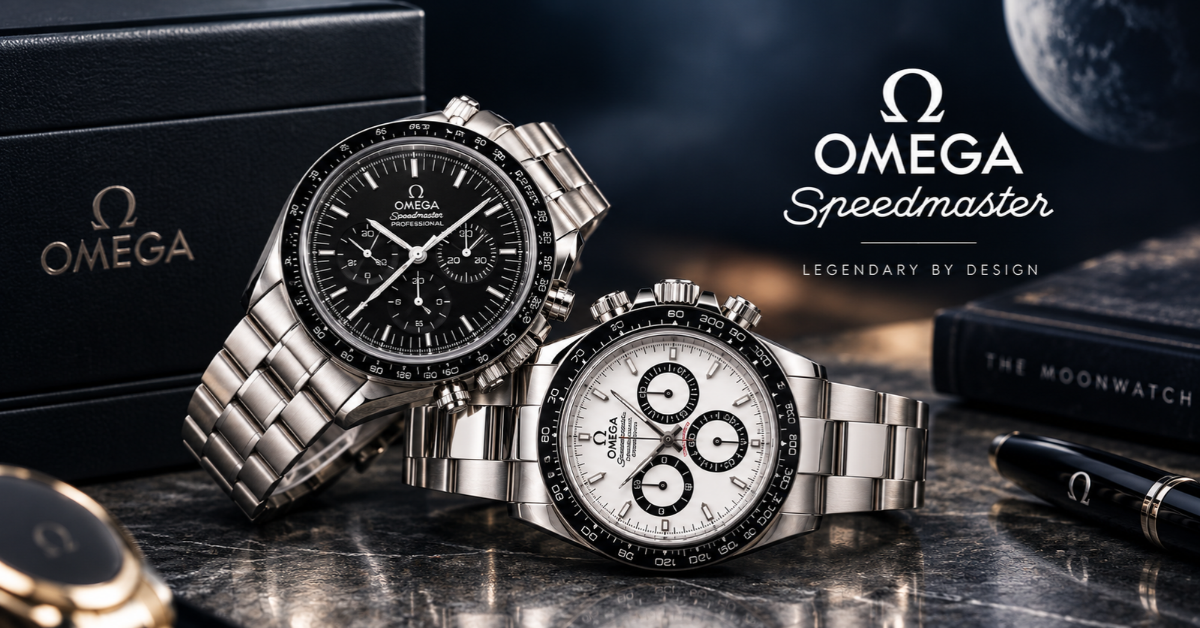
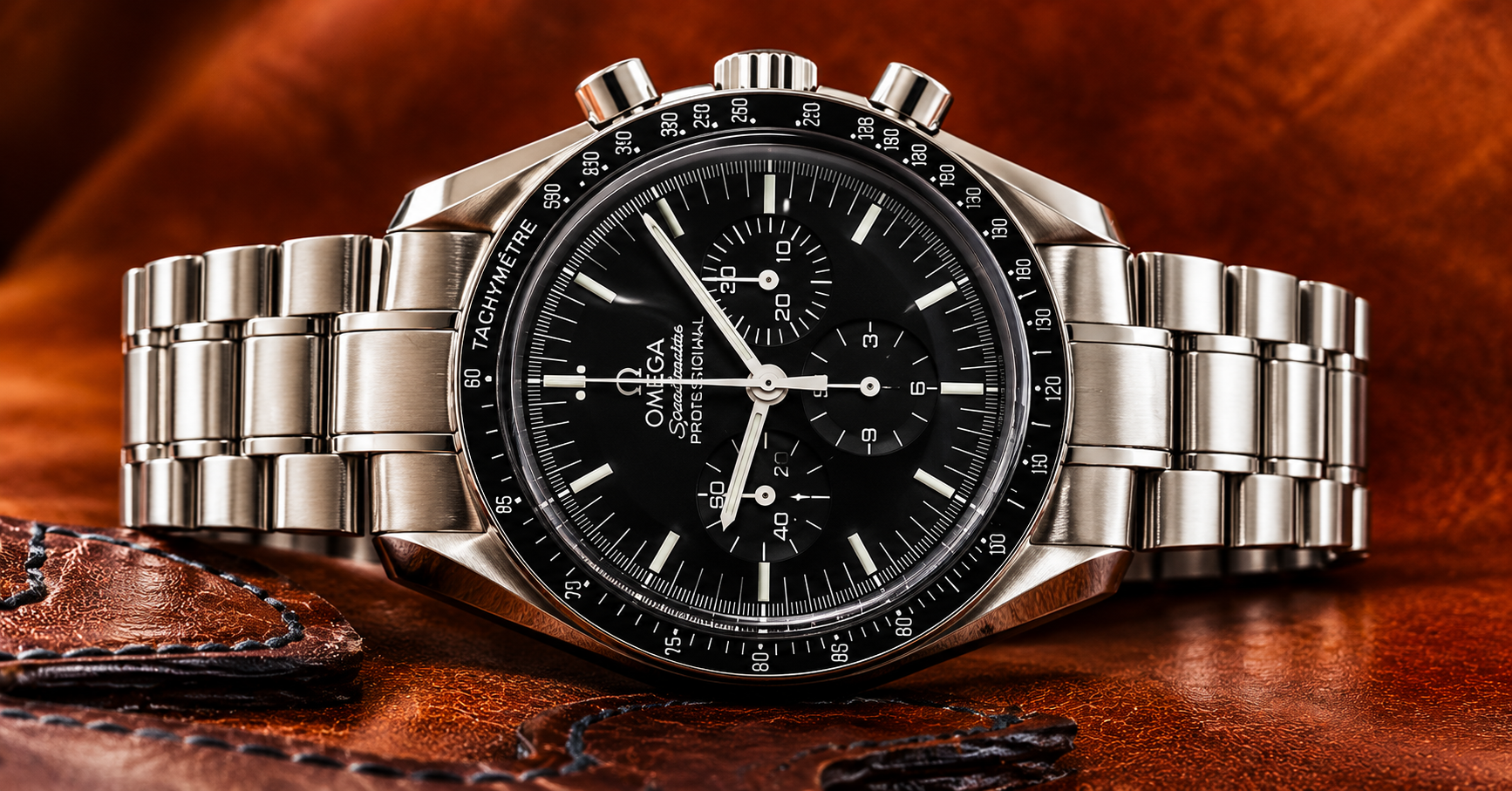
The Speedmaster Moonwatch costs about $6,800 to $7,800 and carries the most famous story in watchmaking: it went to the Moon. It's hand-wound, which many owners love as a daily ritual. Our Speedmaster Moonwatch price guide covers every current version.
The Tudor Black Bay Chrono is an automatic chronograph priced around $7,000, with a sportier, racing-inspired look.
Verdict: this one's easy. If you want a chronograph with real history, the Moonwatch is in a league of its own.
Omega Aqua Terra vs Tudor Ranger
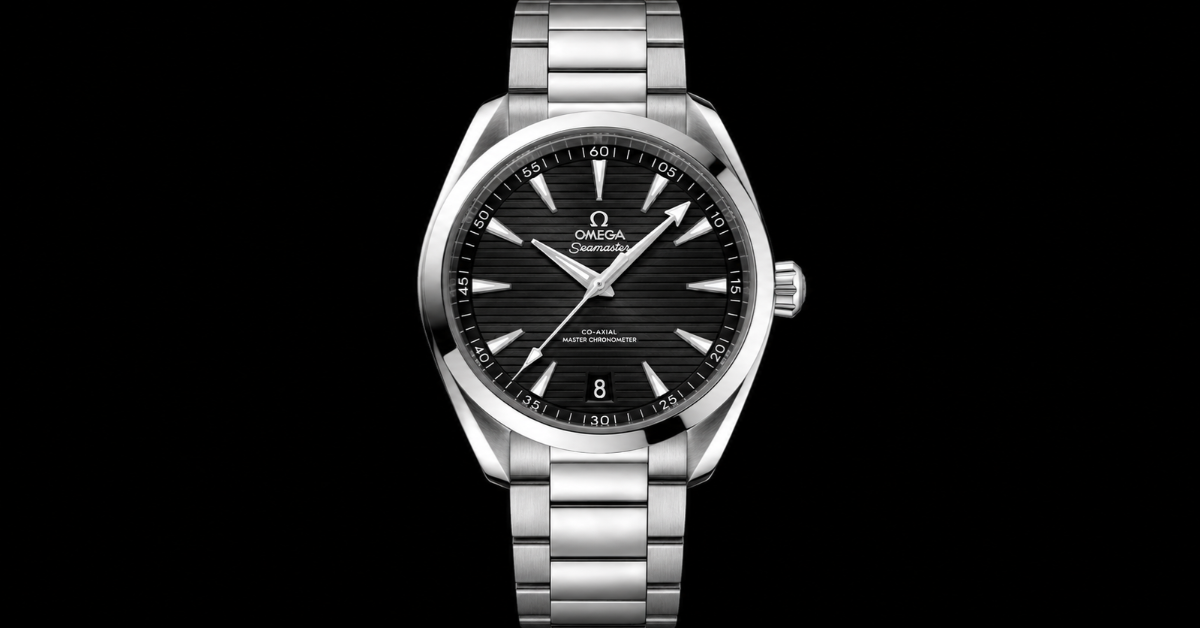
For an everyday "go anywhere" watch, the Omega Aqua Terra runs about $6,200 to $6,950 in 41mm steel and is dressy enough for a suit.
The Tudor Ranger costs $4,025 and is a simple, legible explorer-style watch with a rugged feel.
Verdict: the Aqua Terra is more refined and versatile. The Ranger is the better value if you want a no-fuss tool watch.

Price and Range: Who Offers More?
Tudor is cheaper across the board. Its core sports watches sit roughly between $4,000 and $5,700, and the entry-level 1926 starts around $1,950.
Omega covers far more ground. Prices start around $3,000 for a quartz De Ville Prestige and run all the way to gold, platinum and complicated pieces well into five figures. Omega also makes far more dress watches, women's watches and precious-metal models. If you want a gold watch, a slim dress watch or a wide choice of sizes, Omega simply has more to offer.
Omega is also pushing upmarket. Its new Constellation Observatory shows how seriously it competes in high-end watchmaking — territory Tudor doesn't really enter.
Resale Value: Neither Is an Investment
Let's be honest: neither brand is a Rolex when it comes to resale. Both lose value once they leave the shop.
Tudor can drop sharply when a model is replaced. The previous-generation Black Bay 58 traded around $2,930 in September, roughly half the price of a new one, after the Master Chronometer version arrived.
Omega holds up best in its iconic models. Pre-owned Omega watches generally sell 30% to 40% below retail, with the Speedmaster Moonwatch among the strongest performers.
The upside? Both brands are fantastic value pre-owned. If you're happy to buy used, you can get a lot of watch for your money from either one.
Ownership: Warranty, Servicing and Availability
- Warranty: both Omega and Tudor offer a five-year warranty on new watches from authorised dealers.
- Availability: both are generally easy to buy. Unlike many Rolex models, you can usually walk into a boutique and leave with the watch you want.
- Servicing: both have worldwide service networks. Omega's Co-Axial movements are designed to run longer between services.
- Wrist presence: Tudor's popular models often run slightly smaller and slimmer, which suits a lot of wrists.

Omega or Tudor: Which Should You Buy?
Buy Omega if:
- You want a watch with a world-famous story — the Moon, James Bond, the Olympics
- You value fine finishing, display casebacks and a more luxurious feel
- You want a dress watch, a gold watch or a wider choice of sizes and styles
- You want the stronger resale of an icon like the Speedmaster Moonwatch
Buy Tudor if:
- You want the best Swiss watch for your money
- You love vintage-inspired, tool-watch design
- You prefer a slightly smaller, slimmer dive watch
- You like the idea of a watch with Rolex DNA without Rolex prices
Still stuck? Try a Seamaster Diver 300M and a Black Bay 58 back to back. Most people know within a minute which one feels like "them."
The Verdict
There's no wrong answer here, which is exactly why this comparison is so hard.
Tudor has never been stronger. With in-house Master Chronometer movements and prices around $5,000, the Black Bay 58 is one of the smartest buys in Swiss watchmaking right now.
But Omega still offers more: more history, more refinement, more variety and a handful of genuinely legendary watches. If the Speedmaster or Seamaster speaks to you, it's worth the extra money.
Choose Tudor with your head. Choose Omega with your heart. Either way, you're getting a properly great Swiss watch.
FAQ
Is Omega better than Tudor?
Omega is more prestigious, with a bigger range, finer finishing and more famous history. Tudor offers better value, with in-house movements and now Master Chronometer certification on the Black Bay 58 at a lower price. Which is "better" depends on whether you value prestige or value more.
Is Tudor owned by Rolex?
Tudor was founded by Rolex founder Hans Wilsdorf and is Rolex's sister brand. It now designs and makes its own watches and movements, with its own identity.
Which is cheaper, Omega or Tudor?
Tudor is generally cheaper. Its core sports watches cost roughly $4,000 to $5,700, while comparable Omega models like the Seamaster Diver 300M start around $5,900.
Seamaster or Black Bay 58: which should I buy?
Choose the Seamaster Diver 300M for a more polished, famous diver with 300 metres of water resistance. Choose the Black Bay 58 for a smaller, vintage-styled diver that costs about $1,000 less.
Do Omega and Tudor watches hold their value?
Not as well as Rolex. Both typically sell below retail on the pre-owned market. Iconic Omegas like the Speedmaster Moonwatch hold value best, while Tudor models can drop sharply when they're replaced by new versions.
Does Tudor use Master Chronometer movements?
Yes, on key models. The latest Black Bay 58 uses the METAS-certified MT5400-U movement, the same standard Omega uses across most of its mechanical range.
Features Writer
Daniel Cho
Daniel writes about watch design, collecting and the culture around horology, with a soft spot for tool watches and honest value.