On this page
- Understand the Main Omega Collections First
- Speedmaster
- Seamaster
- Constellation
- De Ville
- Railmaster and Specialty Pieces
- Decide What Movement You Actually Need
- Set a Real Budget (Not Just the Sticker Price)
- New vs. Pre-Owned: Which Makes Sense for You
- Where to Buy
- Fit and Sizing Matter More Than People Expect
- A Few Things to Double-Check Before You Pay
- FAQ
- What is the best Omega watch for a first-time buyer?
- Is Omega a good investment?
- How much does an Omega watch cost?
- How often does an Omega need servicing?
- Are Omega watches waterproof?
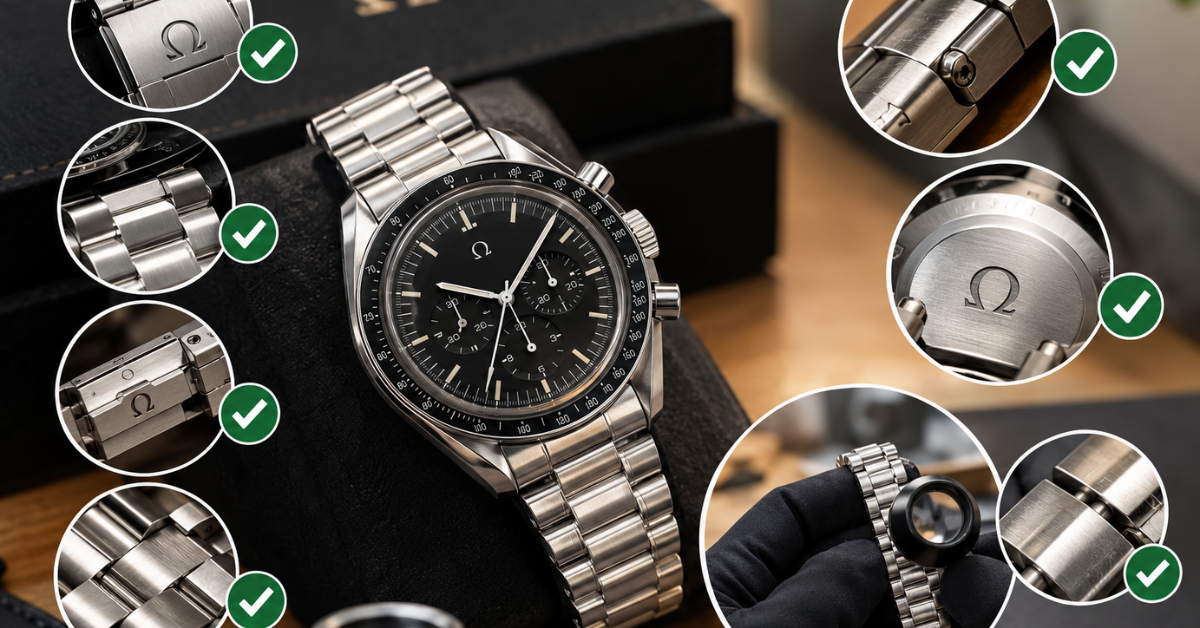
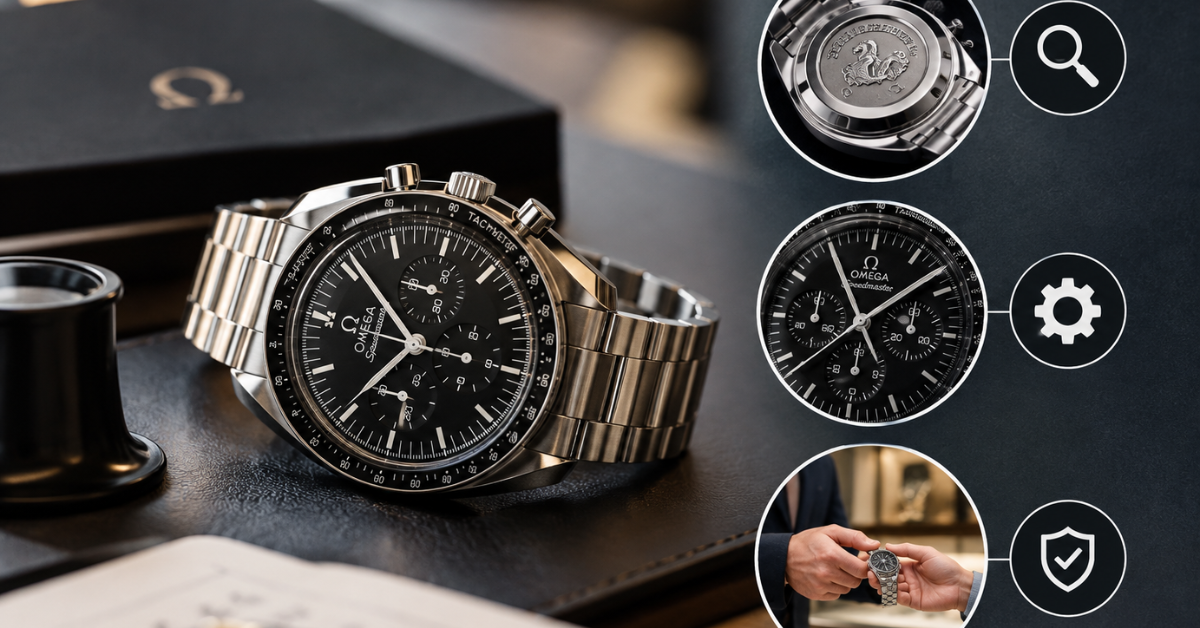
- How do I know if an Omega watch is real?
- Final Thought
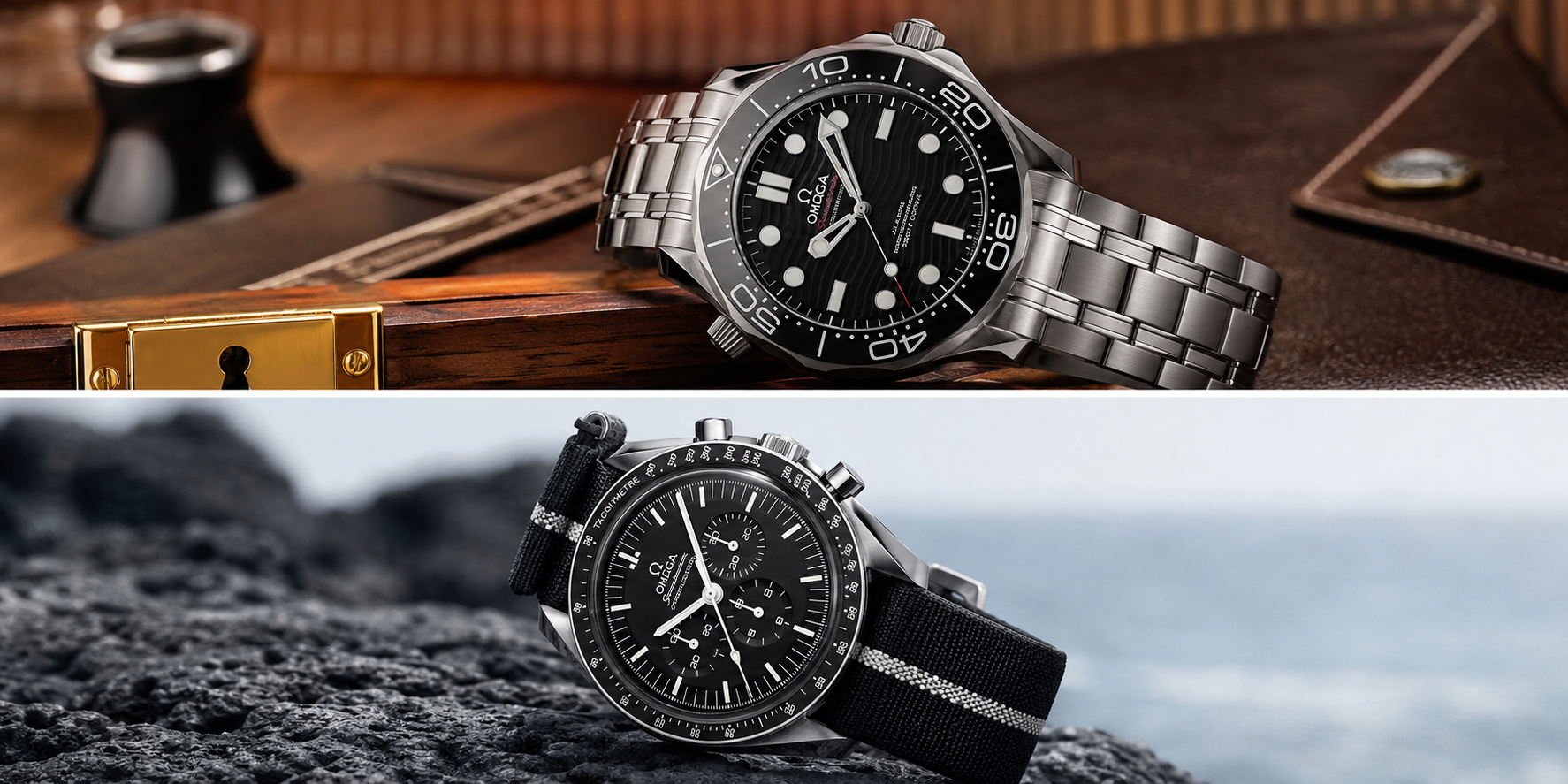
An Omega watches buying guide should start with three questions — which collection fits your wrist and style (Speedmaster, Seamaster, Constellation, or De Ville), whether you want a Co-Axial Master Chronometer movement, and what your real budget is once taxes and servicing are factored in. New Speedmasters and Seamasters generally start around $6,000–$7,000, while pre-owned models can bring that down significantly. Buy from an authorized dealer or a reputable pre-owned specialist, and always verify the reference number and papers before paying.
Buying an Omega isn't like buying a fashion watch. There's a learning curve — collections, calibers, reference numbers, all of it can feel like a foreign language the first time you look into it. That's normal. Most people who end up regretting their purchase didn't do anything wrong exactly, they just didn't know what questions to ask.
This guide walks through the stuff that actually matters: which collection suits you, what you're paying for beyond the case and dial, and how to buy without getting burned. It sits alongside the rest of our buying guides — we're not affiliated with Omega or any retailer, so nothing here is trying to sell you a specific reference. If you want the fuller picture of how we work, our about page covers that.
Understand the Main Omega Collections First
Omega runs five core collections, and each one has a distinct personality. Picking the wrong collection is the single most common regret buyers report.
Speedmaster
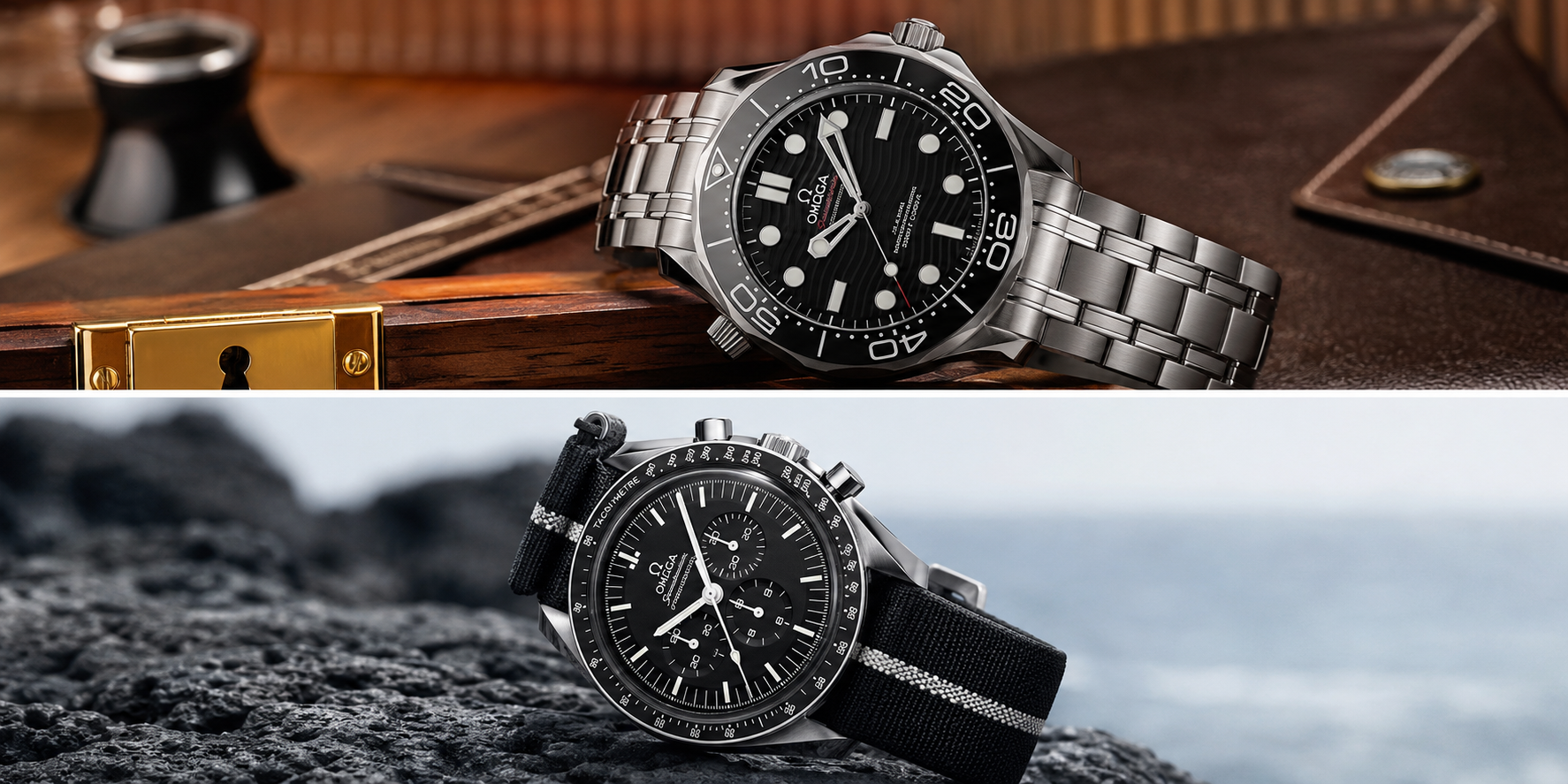
The Moonwatch. Built for chronograph fans, motorsport nostalgia, and anyone who wants a piece of actual space history on their wrist — Buzz Aldrin wore one on the moon. Manual-wind models keep the vintage feel; automatic and Co-Axial versions trade some of that character for convenience. If you want one watch that does everything — dress, casual, a bit of a conversation starter — this is usually it. We go deeper on specific Speedmaster references in our guides section as we publish them.
Seamaster
Omega's dive watch line, and also its most commercially successful thanks to the James Bond connection. The Seamaster Diver 300M and Planet Ocean both handle real water sports without complaint, and the aesthetics run from sporty to genuinely elegant depending on the dial color and bracelet. Good pick if you want daily-wear durability. It's also the reference we get asked about most on the blog, so expect more Seamaster-specific coverage there soon.
Constellation
The dress-watch side of the brand — think observatory-inspired styling, the signature "claws" at the lugs, and a more formal presence overall. We covered the current lineup in detail in our Omega Constellation review for 2026, including where the new Observatory models land on price and whether the movement upgrades are worth it.
De Ville
Even more formal than the Constellation, and closer to a traditional dress watch — thin case, minimal complications, classic proportions. If your wardrobe leans suit-and-tie more often than not, De Ville tends to fit better than anything sportier.
Railmaster and Specialty Pieces
Smaller collections like the Railmaster round things out — anti-magnetic, tool-watch styling, a smaller but loyal following. Worth a look if the big four don't quite click for you.
Decide What Movement You Actually Need
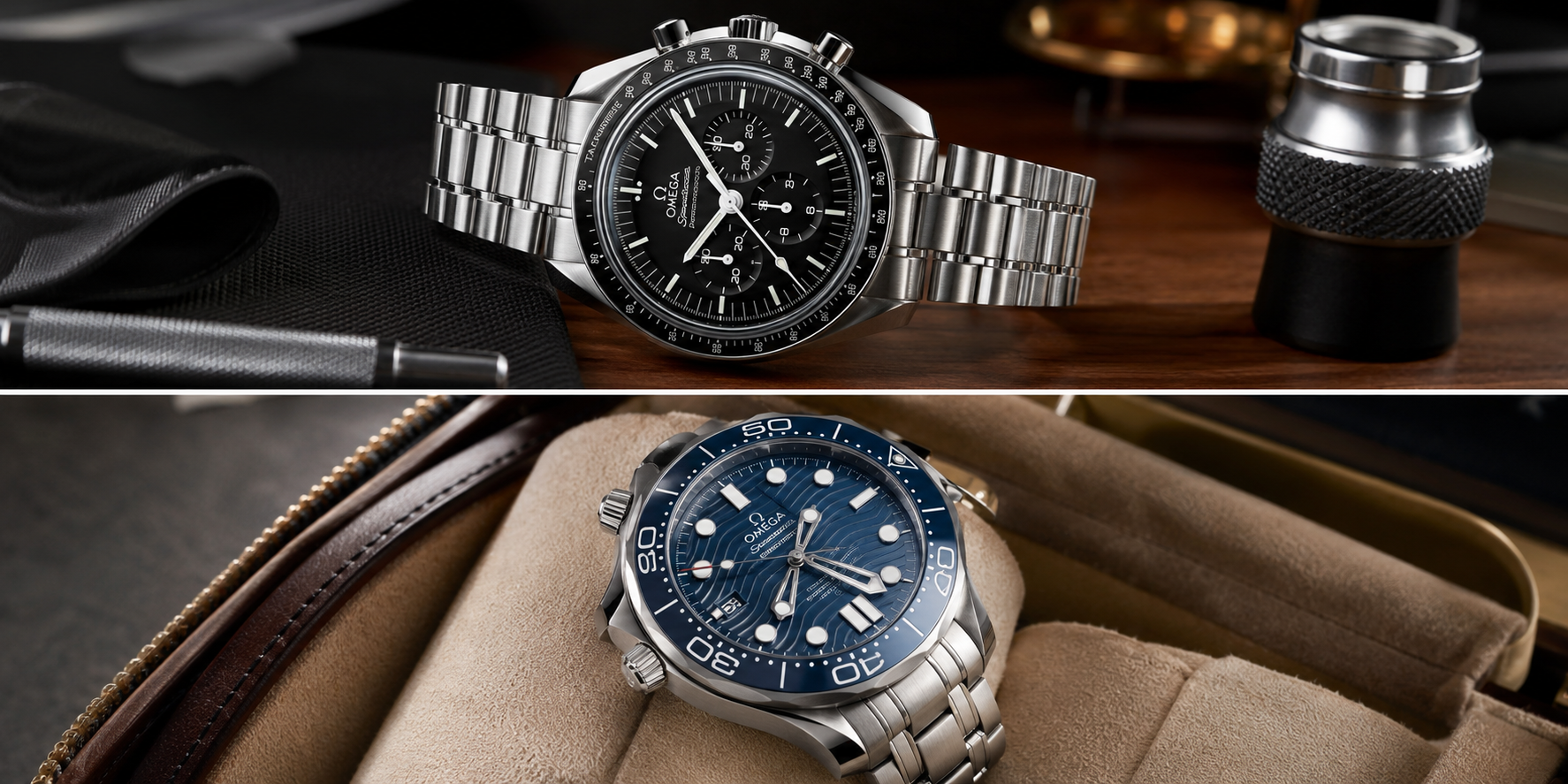
Every current Omega uses a Co-Axial Master Chronometer movement, which is Omega's own take on high-precision, anti-magnetic mechanics, certified independently by METAS rather than just Omega's own labs. In plain terms: better accuracy, better resistance to magnetic fields from phones and laptops, and a longer service interval than older calibers.
Older Omegas — anything pre-2015 or so — may use earlier Co-Axial or standard automatic movements. These aren't bad watches. They're just less resistant to magnetism and typically need servicing a bit more often. If you're buying pre-owned, this matters more than the dial color does, honestly.
Set a Real Budget (Not Just the Sticker Price)
New Omega prices for the core steel sports models generally run:
- Seamaster Diver 300M: roughly $6,400–$7,900
- Speedmaster Professional Moonwatch: roughly $7,400–$9,600
- Constellation: roughly $6,800–$11,000 depending on size and materials
- De Ville: roughly $5,600–$9,500
But the sticker price is never the whole story. Budget for:
- Sales tax or VAT, which can add hundreds of dollars depending on where you live.
- Insurance, especially if the watch is going to leave the house regularly.
- Servicing, which Omega recommends roughly every 8–10 years and can run $600–$1,200 at an authorized service center.
- Sizing and straps, if you want options beyond the stock bracelet.
If your budget is tighter, pre-owned is where the real value is. We put together a roundup of specific references worth considering in Best Omega Watches Under $5,000, comparing new versus pre-owned pricing on the references that actually hold up.
New vs. Pre-Owned: Which Makes Sense for You
New watches come with full warranty, no wear, and the satisfaction of being the first owner. That peace of mind costs money — Omega, like most Swiss brands, depreciates somewhat the moment it leaves the boutique.
Pre-owned can get you the same reference for 15–30% less, sometimes more on discontinued models. The trade-off is condition risk and a shorter (or absent) warranty unless you buy from a dealer offering their own guarantee. For a lot of buyers, a lightly worn Seamaster from a reputable pre-owned dealer is simply the smarter purchase.
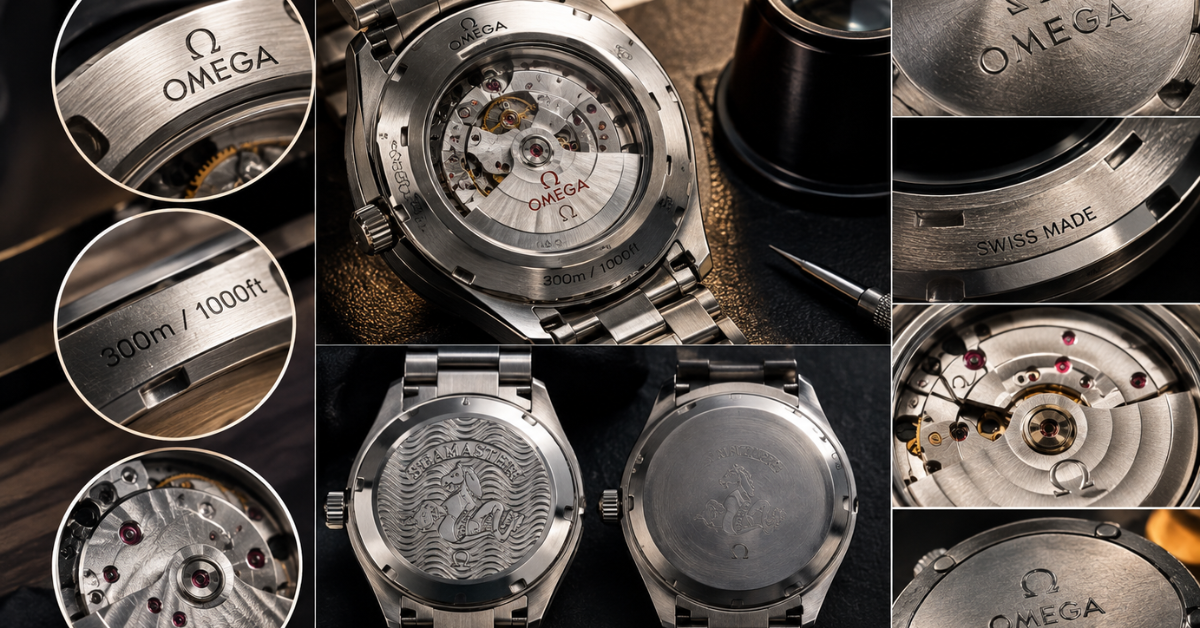
Either way, authentication matters. Counterfeit Omegas are everywhere, especially online. Before you send money to anyone, run through the checks in our guide on how to spot a fake Omega watch — serial numbers, crystal etching, movement details, and a few other tells that separate genuine pieces from convincing fakes.
Where to Buy
- Authorized dealers give you full manufacturer warranty and zero authenticity risk. Prices are fixed, though occasional discounts exist depending on the retailer.
- Omega boutiques offer the same guarantee with a more curated in-store experience, sometimes with waitlists on popular references.
- Reputable pre-owned specialists (think established dealers with return policies and independent authentication) are worth it for older or discontinued pieces.
- Peer-to-peer marketplaces can offer the best prices but carry the most risk. Only go this route if you're confident authenticating the piece yourself, or you're willing to pay for third-party verification first.
Avoid marketplace listings with unusually low prices, stock photos instead of real images, or sellers unwilling to provide close-up shots of the case back and movement.
Fit and Sizing Matter More Than People Expect
Omega cases run from around 36mm (smaller Constellation and De Ville pieces) up to 45.5mm on the largest Speedmaster variants. A 42mm Seamaster looks completely different on a 6-inch wrist than it does on an 8-inch one. If you can, try the reference on in person before buying, even if you plan to purchase online afterward. Bracelet weight is worth considering too — some Omegas wear noticeably heavier than their case size suggests.
A Few Things to Double-Check Before You Pay
- Match the reference number on the case back to what's listed in the description or on the papers.
- Ask for the full box and papers set if buying pre-owned — it affects resale value later.
- Confirm return policy in writing, especially for private sales.
- If the price seems too good, it usually is. Trust that instinct.
For more model comparisons and hands-on reviews as we publish them, our reviews section and comparisons section are good places to keep checking back.
FAQ
What is the best Omega watch for a first-time buyer?
The Seamaster Diver 300M is the most commonly recommended first Omega — it's versatile enough for daily wear, durable, and priced in the middle of the lineup, making it an easy reference point before exploring pricier collections.
Is Omega a good investment?
Some references (certain Speedmasters especially) hold value well or even appreciate, but most Omegas should be bought to wear and enjoy, not as a financial investment. Treat any value retention as a bonus, not the reason to buy.
How much does an Omega watch cost?
New core models typically range from about $5,600 to $11,000, with limited editions and precious-metal pieces going considerably higher. Pre-owned pricing is usually 15–30% below retail depending on condition and reference.
How often does an Omega need servicing?
Omega recommends service roughly every 8 to 10 years for modern Co-Axial Master Chronometer movements, though this can vary based on how often the watch is worn and stored.
Are Omega watches waterproof?
Most Omega Seamaster models are water resistant to 300 meters, making them suitable for swimming and recreational diving. Dress collections like the De Ville typically offer lower water resistance, often 30–50 meters, so check the specific reference before getting it wet.
How do I know if an Omega watch is real?
Check the serial number against Omega's records, inspect the laser-etched crystal, and examine movement finishing through the case back — details covered step by step in our authentication guide linked above.
Final Thought
The right Omega isn't the most hyped reference or the one with the biggest resale premium — it's the one that matches how you actually live and dress. Get the collection and sizing right first, and the rest of this decision gets a lot easier.
Reviews Editor
Sofia Marchetti
Sofia focuses on dive watches, chronographs and everyday wearability, testing every piece in real-world conditions before forming a verdict.