On this page
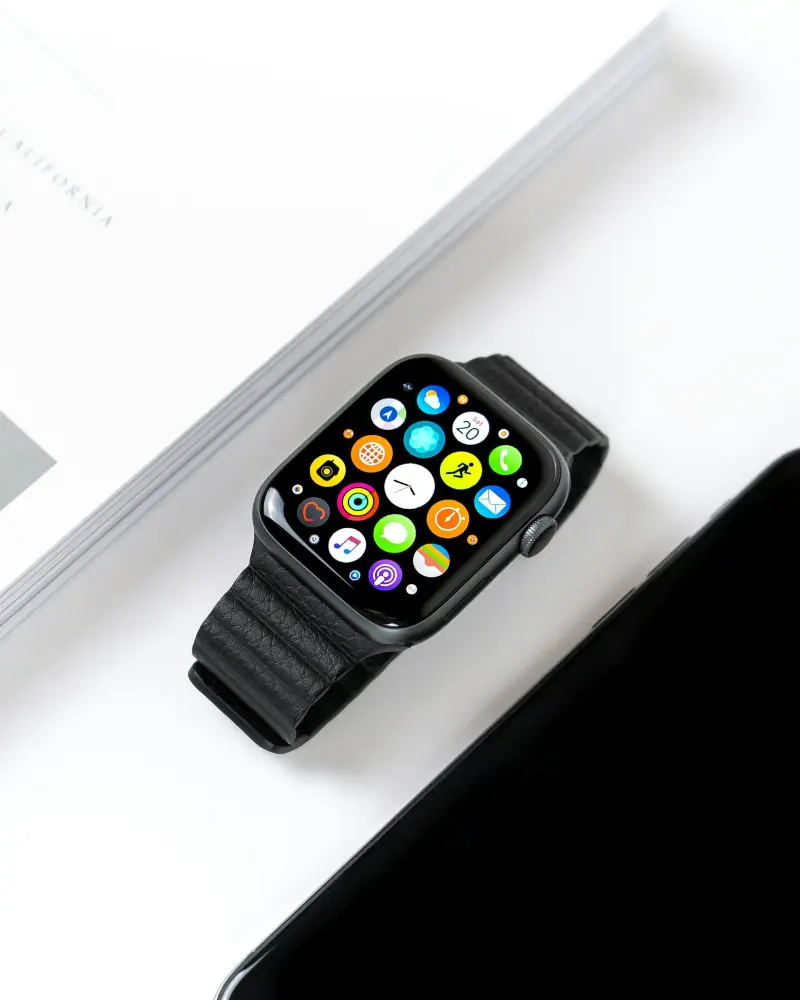
By any practical measure, a smartwatch outperforms a mechanical watch. It’s more accurate, does far more, and costs less. And yet interest in mechanical watches has never been higher. Why does a centuries-old technology still capture us?
Craftsmanship you can feel
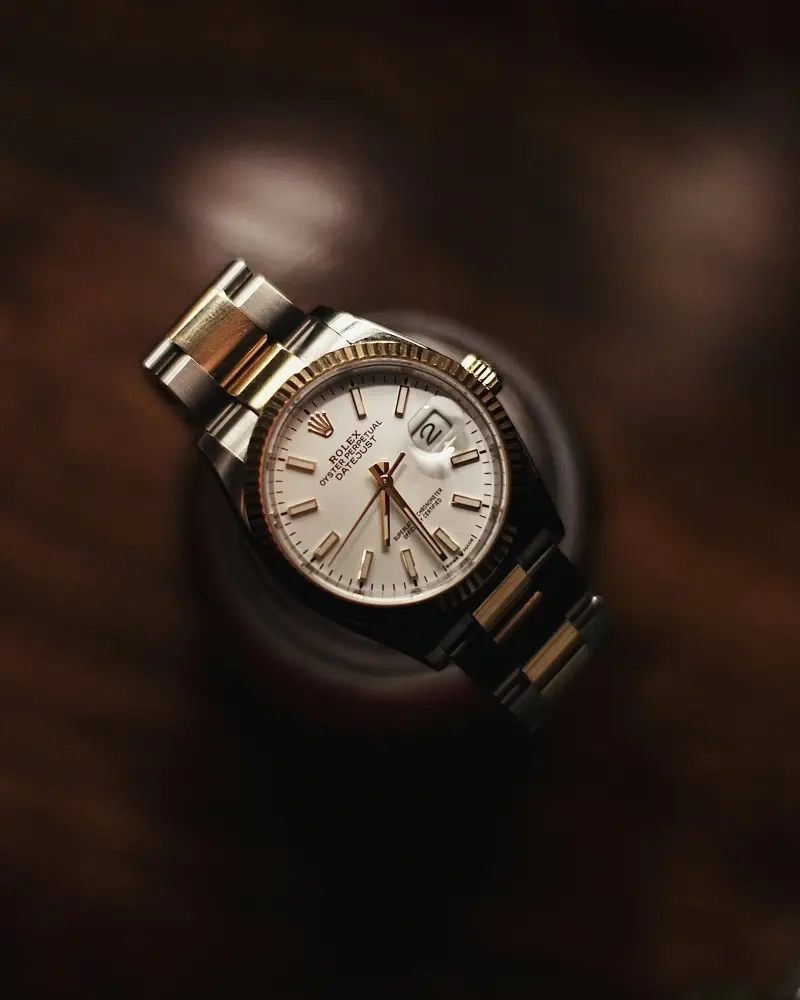
A mechanical watch is a tiny machine of hundreds of components, assembled and finished by skilled hands. Wearing one connects you to a tradition of craftsmanship that a mass-produced gadget simply can’t offer.
Permanence in a disposable world
Smartwatches are obsolete in a few years. A well-made mechanical watch can run for generations with servicing. In a culture of constant upgrades, that permanence is genuinely refreshing.
Meaning over function
We don’t buy mechanical watches to tell the time — our phones do that. We buy them to mark milestones, express taste and own something with soul. They’re emotional objects as much as practical ones.
The bottom line
The smartwatch won the functionality battle, and that’s fine. The mechanical watch was never really competing on features — it endures because it offers craftsmanship, permanence and meaning. That’s why it still matters.
Frequently Asked Questions
Are mechanical watches obsolete?
Functionally a smartwatch does more, but mechanical watches endure as objects of craftsmanship, heritage and personal meaning rather than pure utility.
Do mechanical watches hold value better than smartwatches?
Generally yes. Quality mechanical watches can retain or grow in value, while smartwatches depreciate quickly as technology advances.
Features Writer
Daniel Cho
Daniel writes about watch design, collecting and the culture around horology, with a soft spot for tool watches and honest value.