On this page
The chronograph — a watch with a built-in stopwatch — is one of the most beloved and recognisable complications in horology. But beneath the motorsport glamour, is it actually worth it? Here’s an honest assessment.
How a chronograph works
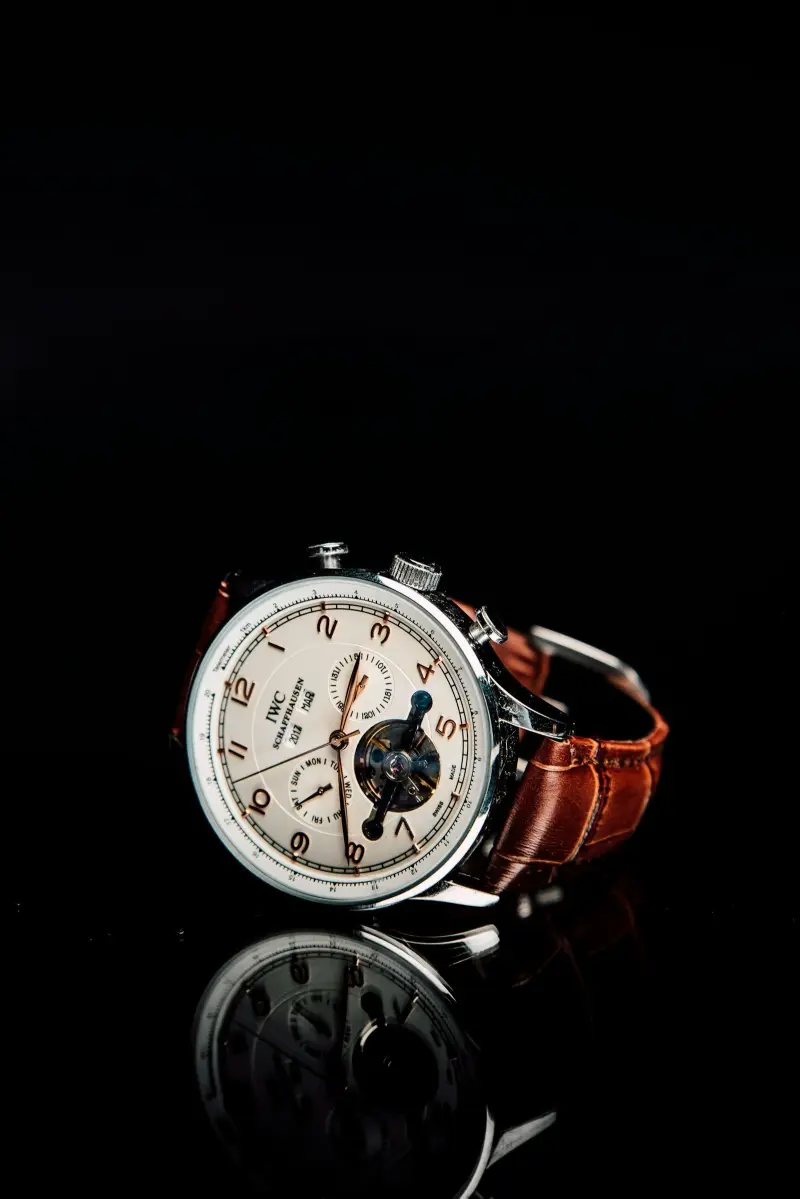
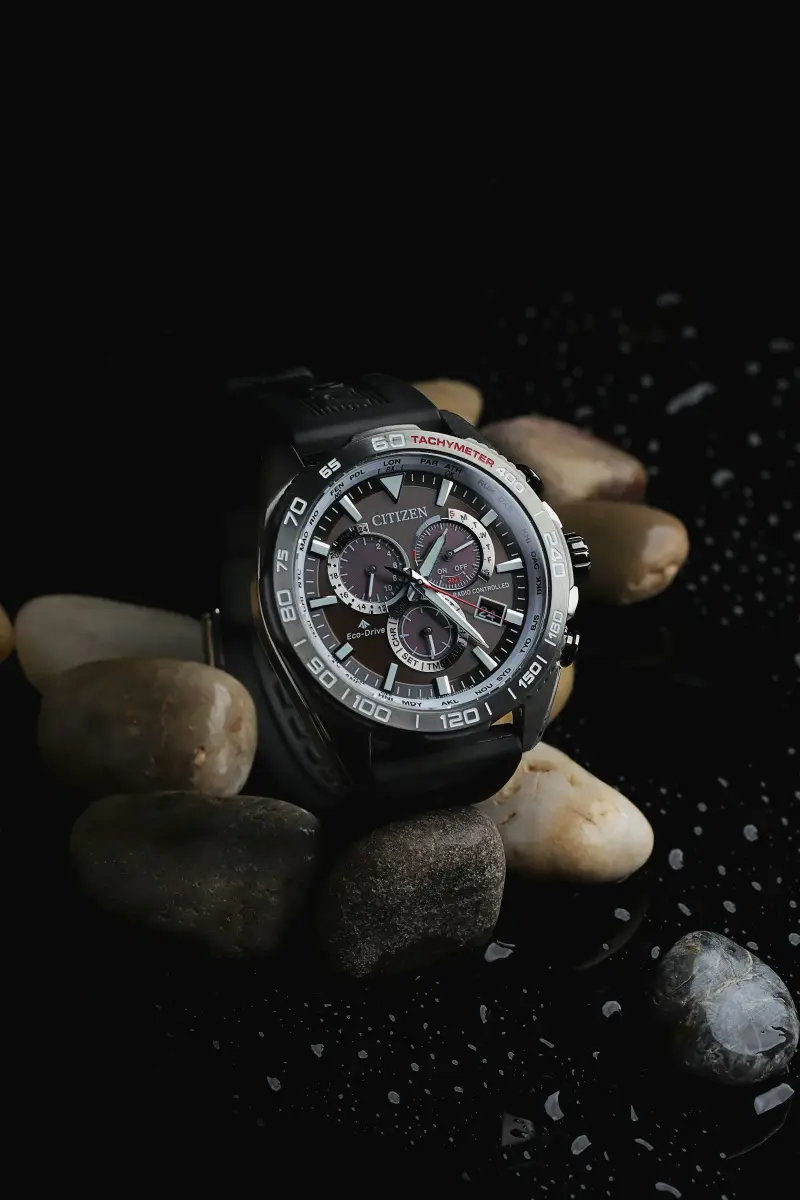
Pushers on the side of the case start, stop and reset a stopwatch that measures elapsed time, displayed via a central seconds hand and sub-dials. It runs independently of the main time, so you never disturb your timekeeping.
The real-world usefulness
Plenty of owners genuinely use the stopwatch — timing workouts, cooking, commutes or parking. Others rarely touch it. Be honest about which camp you’re in before paying for the complication.
Design and heritage
Much of the chronograph’s appeal is visual and historical. The busy, purposeful dial and deep ties to racing and aviation give these watches a charisma that simpler designs can’t match.
The trade-offs
Chronographs tend to be larger, thicker and busier than time-only watches, and the extra complexity raises service costs. None of this is a dealbreaker — just worth knowing.
The verdict
If you love the look and will enjoy using the stopwatch, a chronograph is hugely satisfying. If you prefer clean simplicity, there’s no shame in skipping it. As ever, buy the watch that makes you smile.
The Good
- +Iconic, sporty design
- +Genuinely useful stopwatch
- +Rich motorsport heritage
- +Engaging to use
The Trade-offs
- –Busier dials
- –Often larger and thicker
- –Higher service costs
Frequently Asked Questions
What is a chronograph?
A chronograph is a watch with an integrated stopwatch function, operated by pushers, that measures elapsed time independently of the main timekeeping.
Do people actually use the stopwatch?
Some do — for cooking, workouts, parking or timing tasks — but many buy chronographs for their looks and heritage as much as their function.
Why are chronographs more expensive?
The added complication means more components and complexity, which raises both the purchase price and servicing costs.
Senior Watch Writer
James Whitfield
James has spent over a decade covering Swiss horology, vintage markets and modern releases. He believes the best watch is the one you actually wear.