On this page
The automatic-versus-quartz debate is one of the first every watch buyer encounters. Both are excellent — they simply prioritise different things. Here’s how they compare across the factors that matter.
Accuracy
Quartz wins decisively, keeping time to within seconds per month. A quality automatic runs within roughly a few seconds per day, which is impressive mechanically but no match for quartz precision.
Maintenance
Automatics need periodic servicing every few years to stay healthy, which adds long-term cost. Quartz watches mostly need an occasional battery, making them cheaper to live with.
Feel and craftsmanship
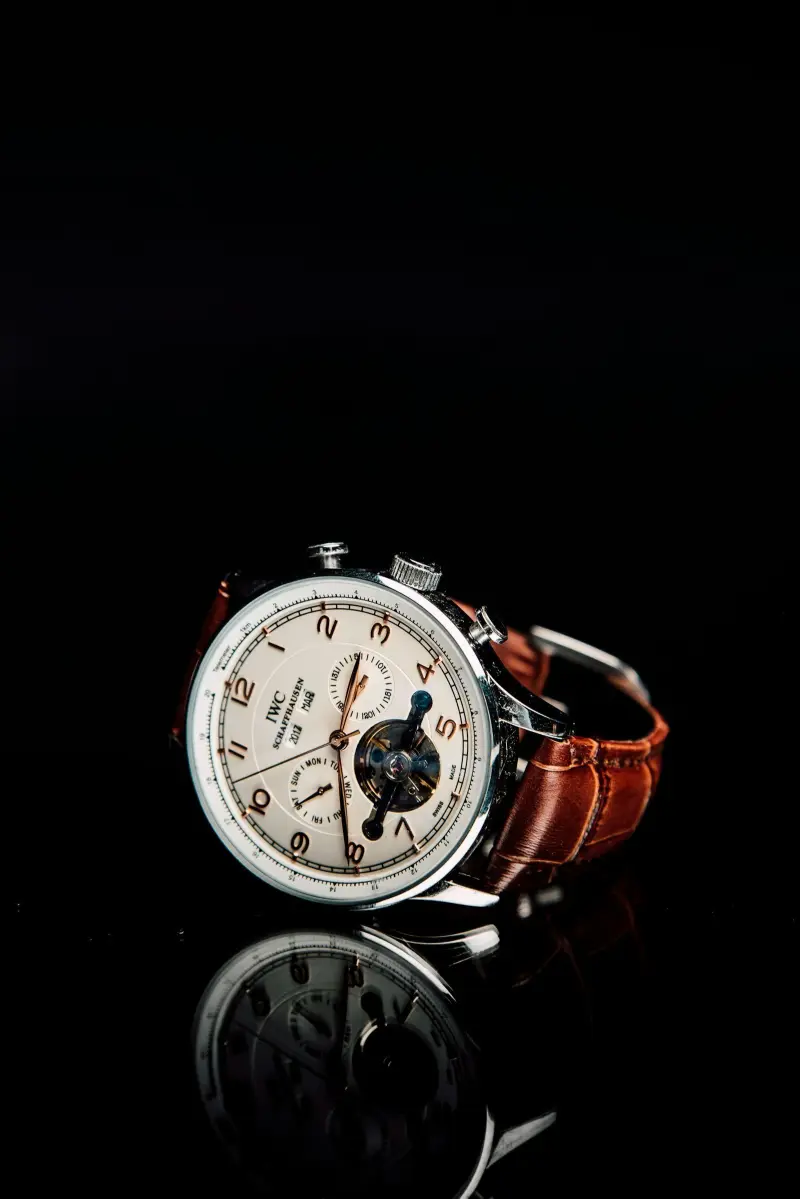
This is where automatics shine. The sweeping seconds hand, the visible movement through a display caseback and the sense of owning a tiny mechanical engine are deeply satisfying — things quartz can’t replicate.
Cost
Quartz watches are generally more affordable up front and cheaper to maintain. Automatics command a premium for their complexity, both at purchase and over time.
Which should you buy?
Choose automatic if you love mechanical craftsmanship and don’t mind the upkeep. Choose quartz if you want accuracy, convenience and lower running costs. There’s no wrong answer — only the one that suits you.
Frequently Asked Questions
Is automatic better than quartz?
Neither is objectively better. Automatic offers craftsmanship and tradition; quartz offers accuracy and low maintenance. The right choice depends on your priorities.
Which is more accurate?
Quartz is far more accurate, typically within seconds per month, while a good automatic runs within several seconds per day.
Which holds value better?
Mechanical watches from desirable makers tend to hold value better, but this depends heavily on the specific model and brand.
Reviews Editor
Sofia Marchetti
Sofia focuses on dive watches, chronographs and everyday wearability, testing every piece in real-world conditions before forming a verdict.